Share

Tea is more than just a beverage—it is a cultural experience, a social ritual, and a source of comfort and relaxation. Across the world, tea has been cherished for centuries, embodying deep cultural traditions that reflect the unique histories and values of different societies. Whether served ceremonially in Japan, enjoyed casually in Britain, or revered for its healing properties in China, tea is a unifying thread that links us all through time and place. In this blog, we will explore the rich and diverse world of tea culture, from its origins in ancient China to its role in modern life, including a special focus on the unique tea traditions of Thailand.
The Origins of Tea: A Chinese Legacy
 The story of tea begins in China, where legend tells us that Emperor Shen Nong discovered tea in 2737 BCE. While sitting beneath a tree, a few leaves from the Camellia sinensis plant blew into his pot of boiling water, giving birth to what we now know as tea. Whether or not this tale is true, China has indeed been the birthplace of tea culture, evolving over thousands of years into an intricate part of daily life.
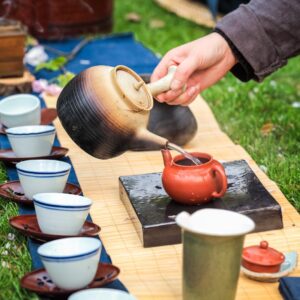
The Chinese tea ceremony, known as “gong fu cha,” is a beautiful and meditative ritual that emphasizes patience, skill, and respect for the tea. Guests are invited to savor the tea slowly, appreciating its aroma, taste, and appearance. Tea in China is not just about quenching thirst—it is an art form, a way to nurture the soul, and a tool for strengthening relationships.
The cultural significance of tea in China goes beyond daily enjoyment. In ancient times, tea was used in religious ceremonies, as an offering to ancestors, and as a gift of goodwill. Today, the country’s diverse tea-growing regions—from the green tea fields of Hangzhou to the delicate oolong plantations of Fujian—continue to produce some of the finest teas in the world.
Japan’s Tea Rituals: A Path to Mindfulness
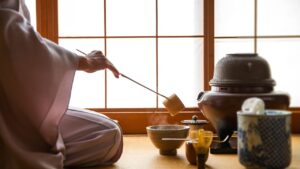 In Japan, tea is not just a drink but a spiritual journey. The Japanese tea ceremony, or “chanoyu,” is rooted in Zen Buddhism and has been practiced for over a thousand years. The focus is not only on the preparation of the tea but on the entire experience, including the aesthetics of the surroundings, the utensils, and the conversation that unfolds between the host and guests.
Matcha, a powdered green tea, plays a central role in this ritual. The ceremony takes place in a tea room, often designed to evoke tranquility and simplicity. Every movement, from whisking the matcha to passing the cup, is deliberate and mindful, symbolizing harmony, respect, purity, and tranquility.
The practice of tea in Japan encourages participants to appreciate the present moment, leaving behind the distractions of daily life. This dedication to mindfulness has allowed tea culture in Japan to transcend generations, blending tradition with the country’s evolving way of life.
India: The Land of Chai
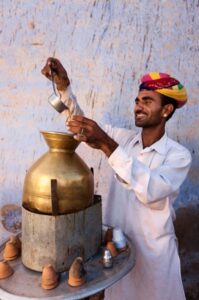 While green and black teas dominate in China and Japan, in India, “chai” reigns supreme. Derived from the Hindi word for tea, chai refers to a unique and popular preparation of black tea mixed with spices, milk, and sugar. Chai is not just a drink; it is a daily ritual that brings people together, often served in small clay cups at roadside stalls called “chaiwalas.”
The chai recipe varies from region to region, but common spices include cardamom, cinnamon, ginger, and cloves, giving the tea a bold, aromatic flavor. Chai has deep roots in Indian culture, representing warmth, hospitality, and community. Whether it’s in a bustling city or a quiet village, chai serves as a moment of comfort and connection.
India is also one of the largest tea producers in the world, home to famous tea-growing regions like Assam, Darjeeling, and Nilgiri. Each region produces distinctive teas with flavors and aromas that reflect the local climate and terrain. While chai has become India’s signature tea drink, the country is also known for its high-quality loose leaf teas, enjoyed both locally and exported worldwide.
British Tea Time: A Social Affair
No exploration of tea culture would be complete without a look at British tea traditions. Introduced to England in the 17th century, tea quickly became a popular beverage among the aristocracy, eventually spreading to the working class. By the 19th century, “afternoon tea” had become a staple of British society.
 Afternoon tea, often served with scones, sandwiches, and cakes, is a delightful social event that continues to this day. It offers an opportunity for friends and family to gather, converse, and enjoy a moment of relaxation. In contrast, “high tea” is a heartier affair, typically served later in the day and including more substantial food, such as meat pies or quiches.
Tea is woven into the fabric of British identity. The phrase “a cuppa” is often heard, representing the comforting act of sitting down with a hot cup of tea to unwind. British tea culture, with its blend of tradition and sociability, remains a cherished part of daily life.
Moroccan Mint Tea: A Symbol of Hospitality
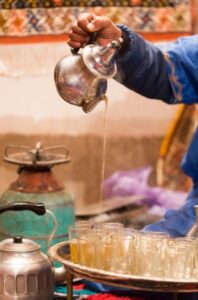 In the vibrant markets of Morocco, the sight of a tea tray laden with silver teapots and small glasses is a familiar one. Moroccan mint tea, made from green tea, fresh mint, and sugar, is a central element of Moroccan hospitality and culture. Tea is often served to guests as a gesture of friendship and respect, with the tea being poured from a height to create a light foam on the surface—a sign of skill and grace.
Moroccan tea is not just a drink, but a ceremony. The process of brewing and serving tea can take time, allowing for conversation and relaxation. Tea is typically offered several times a day, and refusing a cup is considered impolite.
This deep-rooted tradition has endured for centuries, with tea playing an essential role in social gatherings, family events, and even business meetings. It represents warmth, welcome, and the Moroccan way of life.
Thailand: Blending Tradition with Modern Innovation
Thailand’s tea culture is relatively new in comparison to ancient tea traditions, but it has quickly become an integral part of Thai life, especially in the northern regions. Thai tea, or “cha yen,” is one of the most distinctive and popular tea beverages in Thailand. It is a bold and sweet iced tea made from black tea, sugar, and condensed milk, often flavored with spices like star anise or tamarind, giving it a unique taste that is both rich and refreshing. Thai tea is a staple in street food culture, often enjoyed to cool off during the country’s hot afternoons.
Beyond the well-known iced tea, Thailand’s tea culture also includes a growing appreciation for loose leaf teas, particularly those grown in the northern provinces such as Chiang Mai and Chiang Rai. These areas, with their cool climate and fertile soil, are ideal for tea cultivation and have become hubs for producing high-quality oolong and green teas. The tea plantations in northern Thailand, often run by local hill tribes, have brought a revival of traditional farming practices and sustainable cultivation.
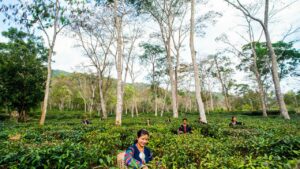 Araksa Tea Garden in Chiang Mai, for example, offers visitors an immersive experience in tea cultivation. Here, guests can learn about the organic tea-growing process, harvest leaves, and enjoy freshly brewed teas in a tranquil setting. The blend of traditional farming techniques with modern sustainability practices is reflective of Thailand’s approach to tea—honoring the past while embracing the future.
The growth of Thailand’s organic tea farms, such as Araksa, also aligns with the global movement toward eco-conscious and health-focused tea drinking. This new wave of Thai tea culture appeals to both locals and tourists alike, offering a peaceful escape into nature and a meaningful connection to the country’s agricultural roots.
In recent years, Thailand has also embraced the global trend of wellness teas. Herbal infusions made from local ingredients like lemongrass, pandan leaves, and butterfly pea flowers have gained popularity for their health benefits and soothing qualities. These herbal teas are often served in spas and wellness retreats across the country, offering a calming and fragrant experience that complements the tropical Thai environment.
Conclusion: A Cup of Culture in Every Sip
Tea culture is a reflection of human history, community, and wellness. From the serene tea rooms of Japan to the vibrant markets of Morocco, tea has the power to bring people together, foster connections.